

WordPress is a widely-used content management system (CMS) for building websites
1. Ease of Use
User-Friendly Interface: WordPress has an intuitive and easy-to-navigate interface, making it accessible to users with minimal technical knowledge.
Quick Installation: Many hosting providers offer one-click WordPress installation, simplifying the setup process.
2. Flexibility and Customization
Themes: Thousands of free and premium themes are available, allowing users to change the appearance of their website easily.
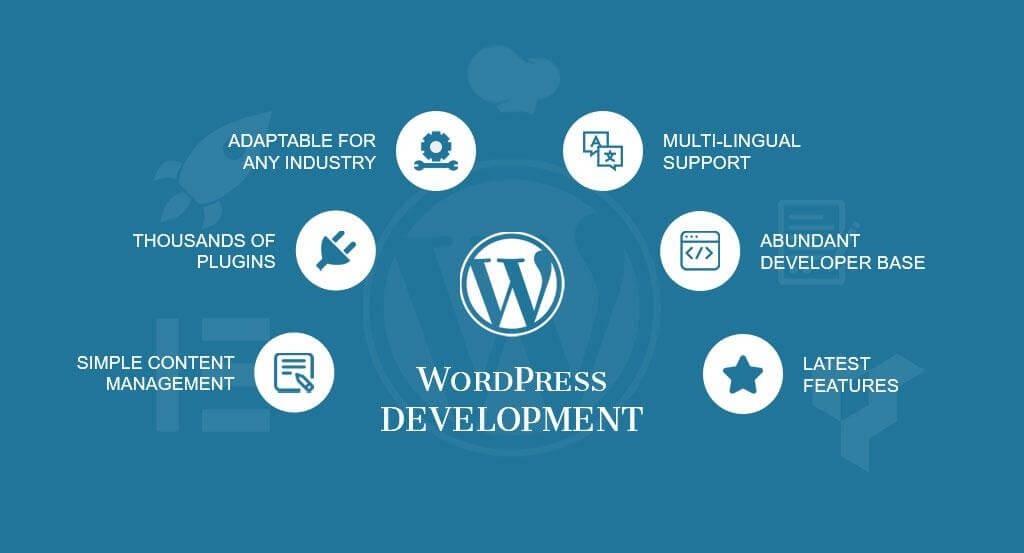
Plugins: There are over 55,000 plugins that add functionality, from SEO tools to e-commerce capabilities.
Customizable Code: For advanced users, WordPress provides access to its underlying code, enabling deep customization.
3. SEO-Friendly
SEO Plugins: Plugins like Yoast SEO and All in One SEO Pack help optimize website content for search engines.
Clean Code: WordPress generates clean and consistent code that search engines prefer.
4. Responsive Design
Mobile-Friendly Themes: Most WordPress themes are responsive, meaning they adapt to different screen sizes, ensuring a good user experience on mobile devices.
5. Community Support
Large User Base: Millions of users worldwide contribute to forums, tutorials, and documentation, providing a wealth of resources.
Regular Updates: The WordPress community and developers regularly release updates, improving security and adding new features.
6. Cost-Effective
Free Software: WordPress itself is free to use, and many themes and plugins are also free.
Affordable Hosting: WordPress can run on most hosting plans, including budget-friendly options.
7. Scalability
Small to Large Sites: WordPress can be used to build anything from a simple blog to a complex e-commerce site.
Performance Optimization: Plugins and hosting services can enhance performance, handling high traffic levels.
8. E-Commerce Capabilities
WooCommerce: The WooCommerce plugin turns a WordPress site into a fully functional online store with various extensions for payment gateways, inventory management, and shipping options.
9. Security
Security Plugins: Plugins like Wordfence and Sucuri Security help protect WordPress sites from threats.
Regular Updates: WordPress core updates include security enhancements, and there are best practices for keeping themes and plugins secure.
10. Content Management
Versatile Content Types: WordPress supports various content types, including blog posts, static pages, media files, and custom content types.
Content Scheduling: Posts can be scheduled to publish at future dates, aiding in content planning and management.
11. Multilingual Support
Multilingual Plugins: Plugins like WPML and Polylang allow users to create multilingual websites, expanding their reach to global audiences.
12. Built-in Blogging
Integrated Blogging Platform: Originally built as a blogging platform, WordPress has excellent blogging features, including categories, tags, and comments.
13. Integration Capabilities
Third-Party Integrations: WordPress integrates with many third-party services, such as email marketing tools (MailChimp), CRM systems (Salesforce), and social media platforms.
14. Accessibility
Accessible Themes: Many themes are designed with accessibility in mind, ensuring that websites can be used by people with disabilities.
Compliance with Standards: WordPress strives to comply with WCAG (Web Content Accessibility Guidelines) to make the web more accessible.
Conclusion
WordPress offers a robust, flexible, and cost-effective solution for building and managing websites. Its extensive range of themes, plugins, and customization options, combined with strong community support and SEO-friendly features, make it a top choice for both beginners and experienced developers.